
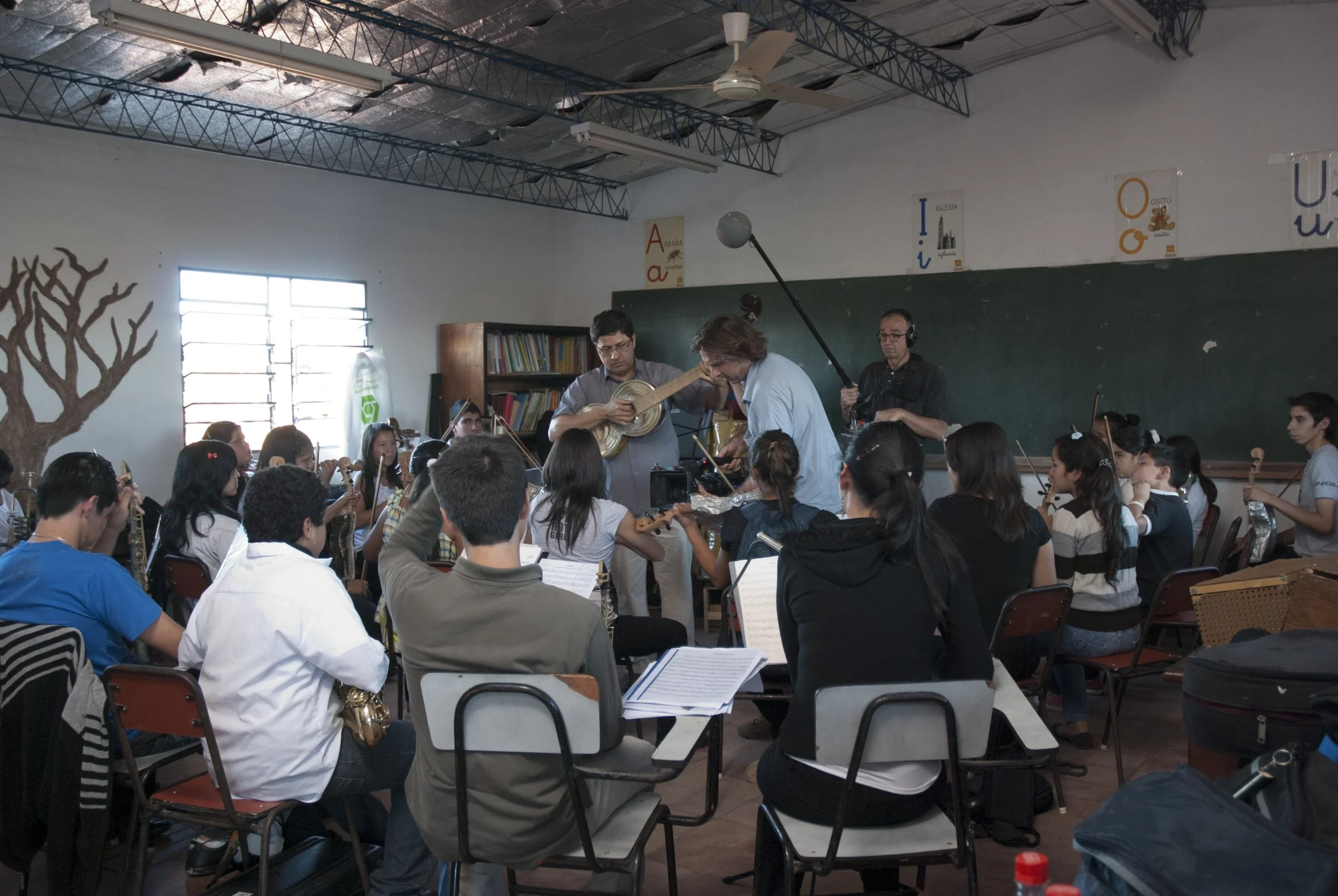
How the film came together
Landfill Harmonic took six years to make. It started in 2008, when executive producer Alejandra Amarilla asked co-director Juliana Peñaranda-Loftus to help her research a documentary about underserved children in Alejandra's home country of Paraguay. A year later, the two traveled from the US to Paraguay together, and on the last day of that trip — with the help of Alejandra's friend Gisella Duarte, who'd go on to become an associate producer — they heard about Favio Chávez and the instruments he was teaching kids to build out of landfill trash.
They went back in 2010 to shoot Favio and the Recycled Orchestra he'd founded, and returned again in 2011 to follow the group of kids who'd stay with the orchestra for years and become the film's central characters. In 2012, Mexican producer Rodolfo Madero joined the project — the same year a teaser about the orchestra went viral, launching both the film and the kids themselves into the spotlight.
As the project grew, so did the crew: Brad Allgood came on as editor in 2013, and director Graham Townsley joined that October. In 2014, after the shoot had already wrapped, a flood in Cateura forced production to reopen and Brad stepped in to direct the film's third act. With six years of footage to work with, Brad's editing was central to keeping the story honest to what Alejandra and Juliana had set out to tell from the beginning.
The Filmmakers
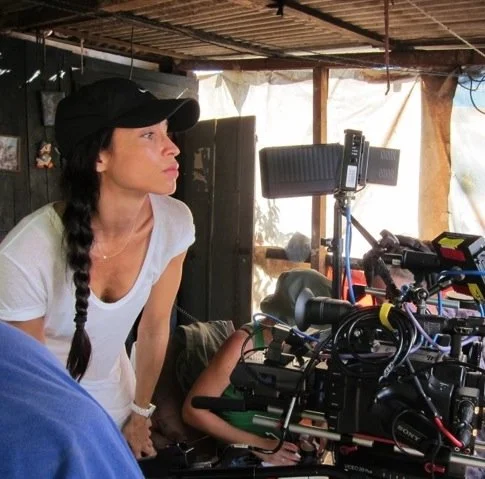
Alejandra Amarilla
Alejandra has spent years supporting social causes around the world. In 2008 she traveled to Uganda with Athletes for Africa, supporting programs that provide education and therapy for former child soldiers and cover basic needs for families in displacement camps. She's also backed the Women's Global Empowerment Fund, which works to reach underserved women through economic, social, and political programs, and co-directed the short film Unleashing Creativity for Free Arts of Arizona, on the healing power of creativity. It was her drive to raise awareness for underserved communities in her native Paraguay that led her to conceive of and executive produce Landfill Harmonic.
Founder, Executive Producer, Story Concept
Juliana Peñaranda
Juliana began her career in production for primetime television in Colombia, then moved to the US and earned a master's in film and video at American University. After September 11, she directed and produced a documentary to raise funds for Aid Afghanistan, an organization fighting for women's right to education. In 2009 she founded Hidden Village Films to produce work of social relevance — the same year she began researching Landfill Harmonic. In 2012, she was one of eight women selected for the American Film Institute's Directing Workshop for Women.
Producer, Co-Director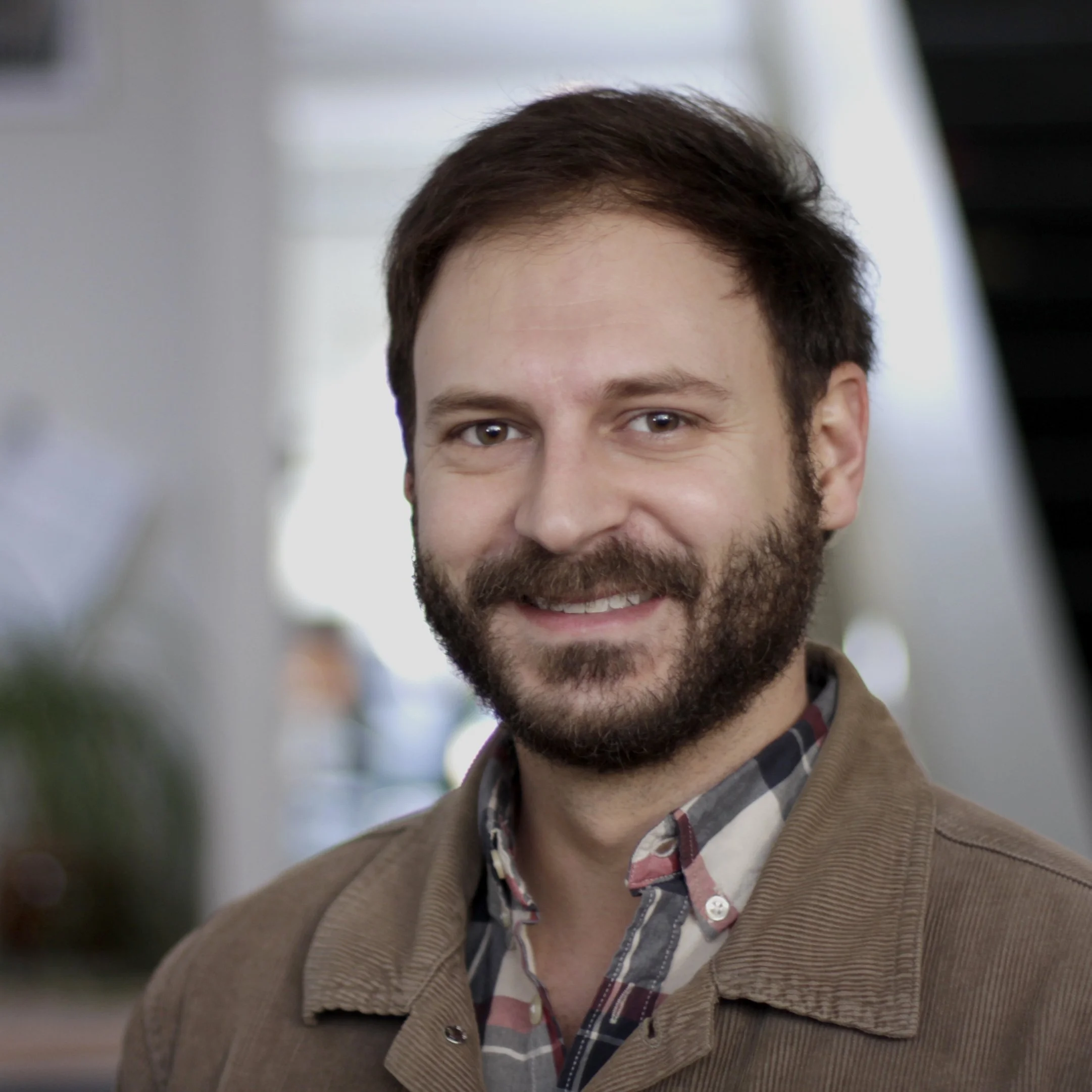
An award-winning filmmaker with a background in international development and public health, Brad has filmed in the Nicaraguan rainforest, remote Caribbean islands, the Kalahari Desert, and the jungles of Africa. At PBS he produced national campaigns including the Emmy-winning Downton Abbey and Freedom Riders. Before filmmaking, he served three and a half years as a Peace Corps volunteer in Nicaragua. He holds an M.A. in Film and Video Production from American University and a B.S. in Biology and Geology from the University of Georgia.
Director, Editor, Director of Photography
Brad Allgood
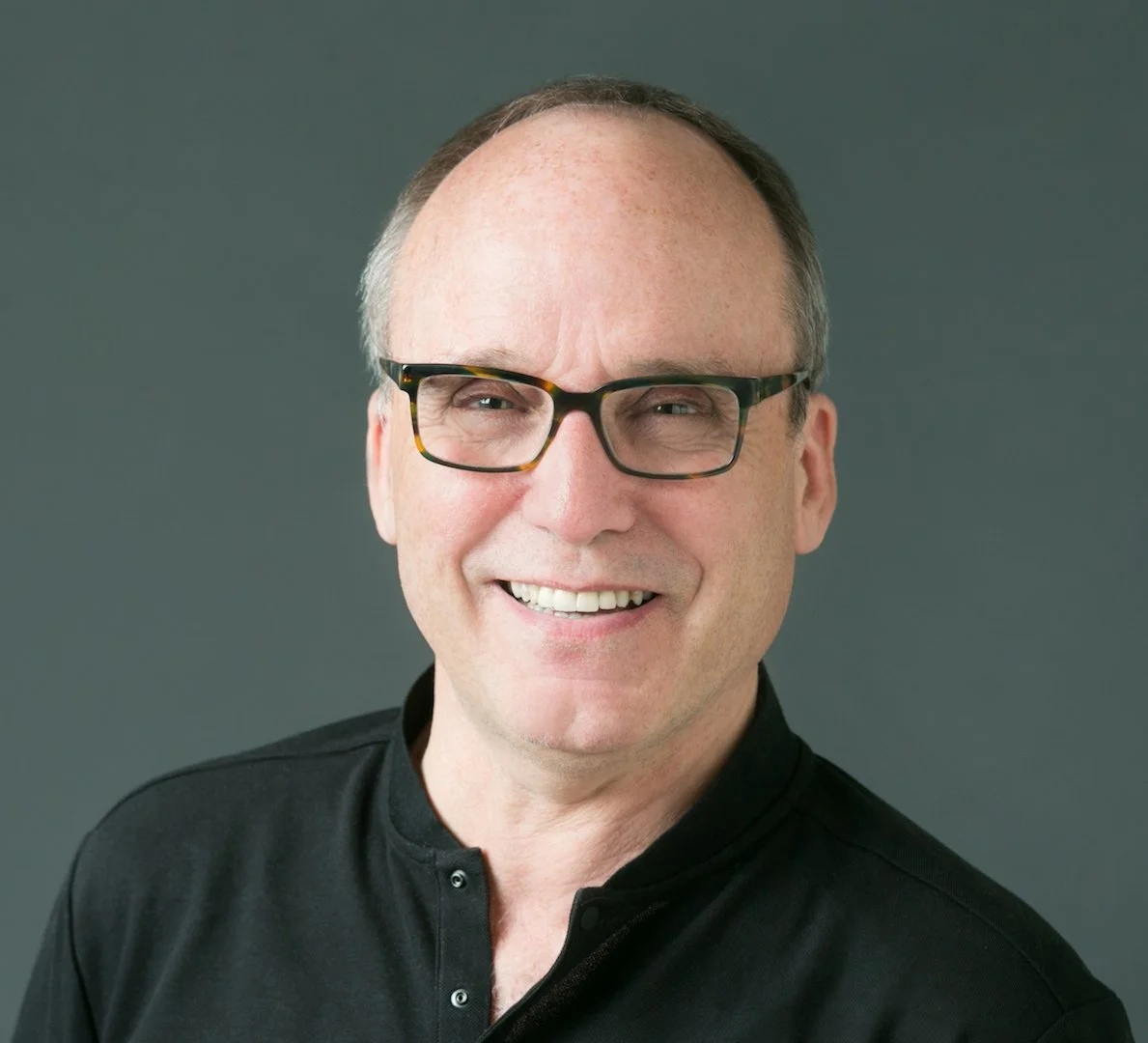
An Emmy-nominated director of acclaimed documentaries for PBS, National Geographic, and Discovery, including Becoming Human, Dawn of the Maya, The Great Inca Rebellion, King Solomon's Mines, Magic Mountain, and Maya Apocalypse. Trained as an anthropologist with a Ph.D. from Cambridge, he's made ethnographic films for the BBC, including The Shaman and His Apprentice, based on his own fieldwork with a tribe in the Peruvian Amazon, and From the Heart of the World, on the Kogi people of Colombia's Sierra Nevada. He lives in Washington, DC.
DirectorGraham Townsley
Rodolfo Madero
Founder of Eureka Productions, established in Mexico in 1993, with a production house in Phoenix since the late '90s. In 2004, Eureka was named one of Adweek's 30 most important production houses in the US. Rodolfo produces and co-produces film and television documentaries, and is active with POP (Protect Our Planet), working with youth, governments, businesses, and communities on issues affecting the planet.
Executive ProducerBelle Murphy
Belle is an attorney who has built her career advocating for children unable to speak for themselves. She earned a sociology degree from the University of Washington and her J.D. from Arizona State University, then spent seven years with the Maricopa County Attorney's Office prosecuting domestic violence, child abuse, and child homicide cases. She continues that focus on child advocacy through projects like Landfill Harmonic.
Executive ProducerJorge Maldonado
Creative director and co-founder of Hyperactive Productions, a Washington, DC studio specializing in video production, motion graphics, animation, visual effects, and bilingual voice-overs, with credits including Discovery Channel, Animal Planet, TLC, Travel Channel, PBS, and the Smithsonian Channel, and work for Conservation International, the Bill & Melinda Gates Foundation, Save the Children, and the World Bank.
Co-ProducerNeil Barrett
Has shot over 30 broadcast documentaries for National Geographic, BBC, PBS, Discovery, The History Channel, NBC, ABC, and CNN, screened at Sundance, Tribeca, Toronto, Full Frame, SilverDocs, Jackson Hole, and LA. Three of his features — The Woodmans (2010), The Other City (2009), and Kicking It (2008) — had US theatrical releases.
Director of PhotographyMichael A. Levine
Composer for the Jerry Bruckheimer/CBS dramas Cold Case and Close to Home, for which he won eight ASCAP awards, and for the George Lucas-produced Star Wars: Detours. He's worked on Hans Zimmer scores including The Simpsons Movie, Batman: Dark Knight, and Rango; co-produced Lorde's cover of "Everybody Wants to Rule the World" for The Hunger Games: Catching Fire; wrote the theme for Scrat in Ice Age; and composed the classic Kit Kat "Gimme a Break" jingle. His concert work includes Divination for Saw and Strings and a Concerto for Pedal Steel Guitar and Orchestra.
Composer